


Exotic Pets: Proper Care and the Importance of Preventive Veterinary Medicine
Reptiles, birds and small mammals have specific needs that directly affect their health and welfare. Unlike dogs and cats, many exotic pets require specialised living conditions, diets and lighting, depending on their species. When these needs are not met, nutritional and environmental imbalances can contribute to significant health problems.
Temperature, humidity, UVB lighting, available space, substrate and enclosure design can all have a significant impact on an animal’s health and normal physiological function. For example, inadequate dietary calcium intake, combined with insufficient or inappropriate exposure to UVB radiation, can contribute to the development of metabolic bone disease in reptiles. Similarly, unsuitable environmental conditions and an unbalanced diet can lead to problems affecting both the animal’s physical health and behaviour.
Another important consideration is that exotic pets often conceal signs of illness, particularly in the early stages. Reduced appetite, weight loss, changes in droppings, decreased activity, changes in behaviour, or difficulty moving or breathing may all indicate an underlying health problem. As some of these signs may indicate conditions requiring immediate veterinary assessment, any noticeable change in an exotic pet’s normal behaviour or appearance should be taken seriously and evaluated by a veterinarian.
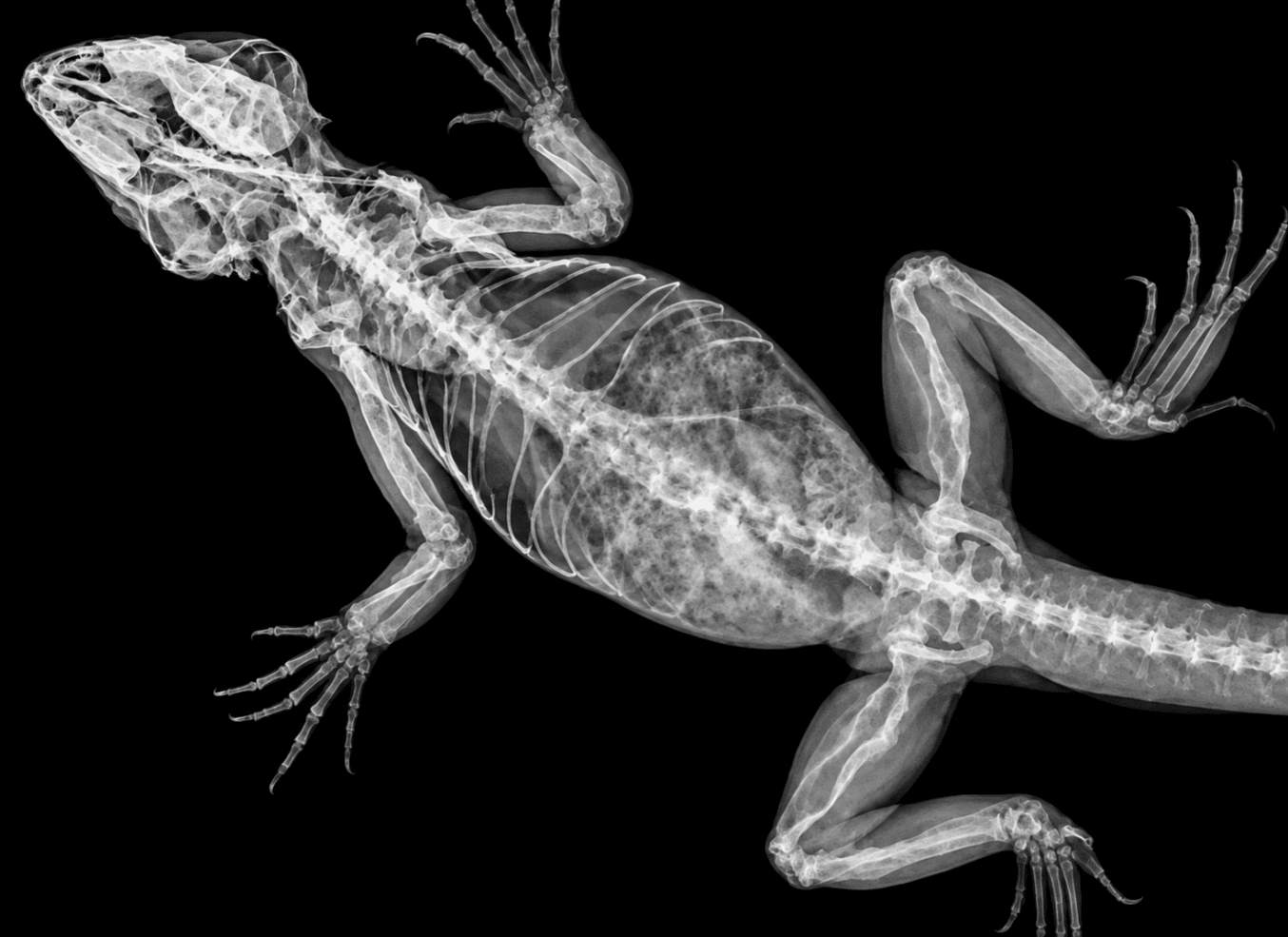
Regular veterinary examinations can help identify health problems early, even before obvious clinical signs develop. During an examination, the animal’s general condition, body weight, diet and living conditions are assessed. When necessary, additional diagnostic tests, such as blood tests, radiographs, ultrasound or faecal examinations, may be performed, depending on the species and clinical presentation.
Appropriate care for an exotic pet varies according to its species. Each animal requires an individualised approach to prevention, diagnosis and treatment. Providing owners with accurate information about their pet’s diet, environmental conditions and physiological needs is an important part of this approach.
At our clinic, we provide veterinary care for exotic pets, ranging from preventive health checks and assessments of diet and living conditions to the investigation and treatment of health problems. Our goal is to identify potential problems early and provide each animal with individualised care, helping to maintain its health and quality of life.
CONTACT INFO
Acropolis:
22515251
reception@animalcare.com.cy
Glyfadas 30 D-E, 2023 Strovolos, Nicosia
Monday - Friday: 8:30 - 18:30
Saturday: 9:00 - 13:30
Kallithea:
22450190
reception@animalcare.com.cy